
Whilst spring travel guides promote the same European cities year after year, a quieter conversation is happening amongst travellers who've figured something out.
Central Asia's April-June window offers what European spring once delivered but can no longer guarantee: cultural depth without crowds, architectural masterpieces without queuing systems, and authentic local encounters that haven't been choreographed for tourists.
This isn't about budget alternatives. It's about sophisticated choices.
Central Asia's April-June Window
The timing is specific for good reasons.
April through June delivers optimal conditions across the region. Temperatures range from comfortable to warm without the scorching heat of July and August. Clear skies dominate. Spring rains have passed. Mountain passes become accessible. Cultural sites operate without the constraints that crowds impose.
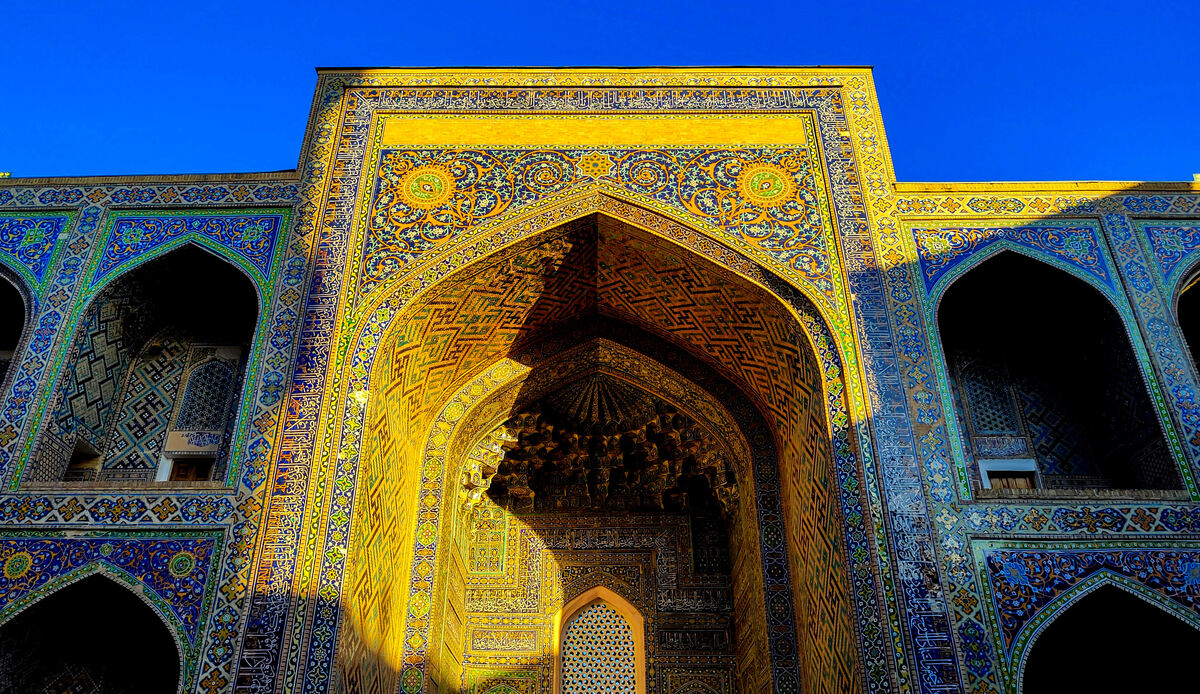
Uzbekistan sits at the centre of this opportunity. Samarkand's Registan Square reveals itself without barriers or timed entry. Bukhara's old city maintains its rhythm without tour bus schedules dictating flow. Khiva's walled city allows wandering rather than queuing.
The Silk Road cities you've seen in photographs? They look like that because skilled photographers shoot early morning before crowds arrive. In Central Asia during April-June, that's just how they are. All day.
Kyrgyzstan's alpine landscapes awaken after winter. Issyk-Kul's shores become accessible. The Tian Shan mountains reveal hiking routes. Spring brings wildflowers to valleys that remain snow-covered until March. Yurt stays transition from winter hardship to spring adventure.
Kazakhstan's steppe country transforms. The Almaty region offers mountain access. Charyn Canyon becomes manageable without summer heat. Spring timing allows experiencing landscapes that require specific seasonal windows.
What Crowds Have Changed
European spring travel faces a reality that's uncomfortable to acknowledge.
Timed entry systems manage capacity at major sites. Queuing has become standard rather than exceptional. Restaurants cater to tourist expectations rather than local preferences. Pricing reflects demand dynamics that favour neither visitor nor local resident.
This isn't criticism of Europe. It's honest assessment of what happens when beautiful places become overwhelmed by visitor numbers they were never designed to accommodate.
The exhaustion comes not from experiencing places, but from managing the crowds whilst trying to experience them. That's fundamentally different from what travel should deliver.
Central Asia hasn't reached that tipping point. Yet.
The Silk Road Advantage
Architectural access matters. Standing in Samarkand's Registan Square at midday, you're surrounded by 15th-century madrasas covered in turquoise tilework. No barriers. No crowds. No time limits. Just space to absorb what you're seeing.
Artisan workshops remain genuine. Bukhara's metalworkers, ceramicists, and textile artists work in centuries-old techniques. They're not demonstrating for tourists. They're producing for local markets. You happen to be able to watch and purchase.
Food culture hasn't been sanitised. Local restaurants serve plov, samsa, and lagman to locals. You're welcome to join. Menus aren't translated into ten languages because most patrons are Uzbek. That's exactly what makes it compelling.
Infrastructure surprises visitors. Modern hotels exist in major cities. Domestic flights connect key destinations reliably. High-speed trains link Samarkand and Bukhara. Mobile networks work. English appears in tourist areas. Communication isn't the barrier stereotypes suggest.
Practical Intelligence
Visa reality is straightforward. Uzbekistan offers e-Visas for most nationalities. Kyrgyzstan provides visa-free entry for many countries. Kazakhstan has simplified processes significantly. This isn't the bureaucratic nightmare reputation suggests.
Independent travel is feasible. Uzbekistan's tourism infrastructure supports solo travellers and small groups. However, specialist operators add significant value through local knowledge, guide quality, and logistical efficiency that's difficult to replicate independently.
Booking timelines are reasonable. Unlike expedition travel requiring 12-18 month lead times, Central Asia spring trips can be planned 3-6 months ahead. Though earlier booking improves guide availability and accommodation choice during peak April-May weeks.
The Timing Consideration
Central Asia is emerging, not undiscovered.
Visitor numbers are growing. Infrastructure is developing. International recognition is increasing. The window where you can experience Silk Road cities without crowds won't remain open indefinitely.
This creates opportunity for those planning 2026 spring travel now. You're arriving after the region has developed sufficient infrastructure for comfortable travel, but before mainstream tourism transforms the experience.
The advantage isn't being first. It's being thoughtful about timing; arriving when conditions are optimal but crowds haven't yet followed.
The Sophisticated Choice
Central Asia in spring isn't a compromise for those who can't access overtouristed European destinations.
It's a choice made by travellers who've learned that extraordinary experiences often exist just beyond where everyone else is looking. Who understand that timing matters as much as destination. Who recognise that sophisticated travel isn't about following guides; it's about reading patterns and making informed choices.
April-June 2026 in Central Asia represents that choice.
The question is whether you're planning far enough ahead to secure it.