
The Mediterranean's most compelling stories are being written along its quieter edges, where timing intelligence matters more than guidebook popularity.
These aren't undiscovered destinations. They're places that reward those who look beyond the obvious choices and understand when to visit for optimal experiences.
Malta's Shoulder Season Mastery
Malta operates on timing intelligence most Mediterranean islands ignore.
March through May delivers what summer cannot. Temperatures range from comfortable to warm without the oppressive heat that defines Maltese summers. Historical sites remain accessible without the capacity management systems that summer crowds necessitate. Valletta's baroque streets allow wandering rather than navigating tour groups.
The archipelago's compact scale becomes an advantage rather than limitation during shoulder months. You can explore multiple islands in a day without feeling rushed. Gozo's quieter character reveals itself. Comino's beaches offer space that summer eliminates entirely.
Malta's historical depth surprises visitors expecting simple beach destinations. Megalithic temples predate Stonehenge. Valletta's fortifications tell centuries of Mediterranean power struggles. Each layer reveals itself better when you're not managing crowds whilst trying to absorb history.
Spring timing transforms Malta from pleasant Mediterranean stop to genuinely compelling cultural destination.
Turkey Beyond the Obvious
Eastern Turkey in April-May offers what the well-touristed western circuit cannot match.
Cappadocia's fairy chimneys appear in every Turkey guide, but April timing changes the experience entirely. Comfortable temperatures for exploration. Hot air balloon flights operate reliably. Valleys allow hiking without summer heat. The tourist infrastructure exists, but crowds remain manageable.
The Black Sea coast awakens in spring. Tea plantations green after winter. Coastal towns resume local rhythms. This region operates outside Turkey's standard tourist circuit entirely, offering cultural encounters that haven't been shaped by decades of tourism.
Southeastern regions like Gaziantep, Mardin, and Şanlıurfa reveal Turkey's cultural complexity. Spring provides optimal timing - warm enough for comfortable exploration, early enough to avoid extreme summer temperatures. These cities offer historical depth, culinary traditions, and architectural heritage that rival anywhere in Turkey.
Moving past the Istanbul-Ephesus-Antalya circuit isn't about avoiding popular sites. It's about discovering that Turkey's geographic and cultural diversity extends far beyond where most visitors venture.
North Macedonia's Emergence
Lake Ohrid represents the Mediterranean's quiet sophistication.
May through June delivers optimal conditions. Water temperatures become swimmable. Mountain landscapes surrounding the lake reveal spring colours. The town of Ohrid maintains its UNESCO-protected character without feeling frozen in time for tourists.
North Macedonia's appeal lies partly in infrastructure that supports comfortable travel whilst remaining authentically local. Tourism exists but hasn't reached the scale that transforms destinations into performances of themselves.
The country's position between Balkans and Mediterranean creates cultural layering that rewards exploration. Byzantine churches. Ottoman architecture. Yugoslav-era remnants. Ancient sites predating all of them. Each layer remains visible rather than sanitised into uniform heritage presentation.
Timing matters because North Macedonia sits at an interesting threshold; developed enough for comfortable independent travel, emerging enough that experiences feel genuine rather than curated for tourism.
Azores Weather Intelligence
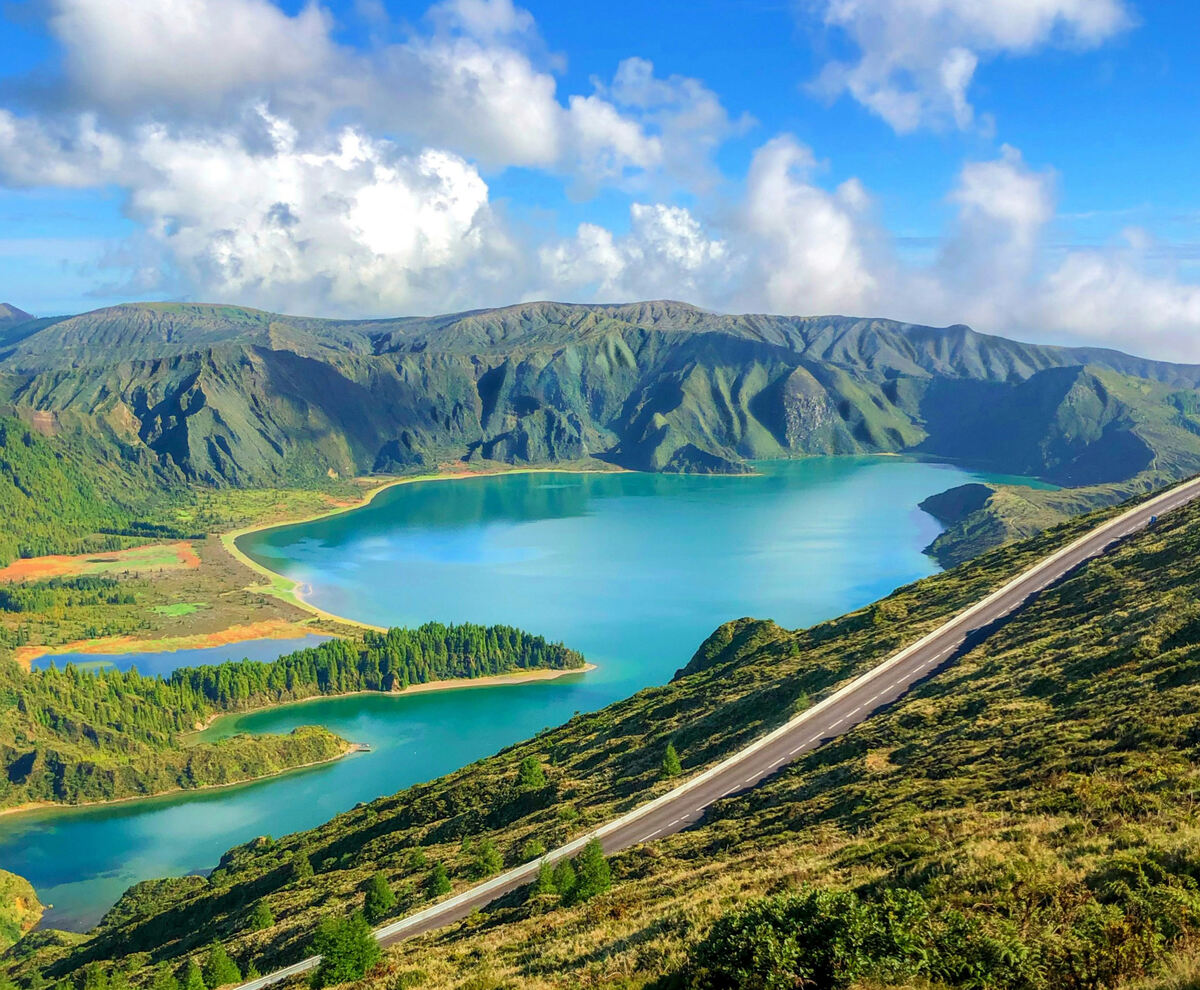
The Azores operate on Atlantic weather patterns that require local knowledge to navigate properly.
April through September provides the broad window, but monthly variations matter significantly. May and September offer mild temperatures with fewer visitors. June through August brings warmest weather and peak visitor numbers, though "peak" remains relative compared to Mediterranean mainland destinations.
The archipelago's microclimate variations mean weather differs between islands and even within islands. São Miguel's eastern coast operates on different patterns than its western regions. Understanding these variations transforms experiences from hoping for good weather to planning around predictable patterns.
Locals don't check daily forecasts as much as understand seasonal tendencies and daily patterns. Morning fog that clears by midday. Afternoon clouds that arrive predictably. These rhythms become clear with observation or local guidance.
Weather intelligence matters more for Atlantic islands than Mediterranean ones. The Azores reward those who understand this reality rather than expecting guaranteed sunshine.
Why Timing Intelligence Matters More
These destinations share a common characteristic: timing knowledge delivers disproportionate value.
Well-touristed Mediterranean destinations offer relatively consistent experiences across broader timeframes. Infrastructure accommodates visitors year-round. Information is readily available. Spontaneity works reasonably well.
Lesser-known destinations operate differently. Seasonal variations are more dramatic. Infrastructure availability changes significantly by month. Local knowledge provides advantages that guidebooks cannot replicate. Timing intelligence becomes the difference between mediocre and exceptional experiences.
This isn't about difficulty. Modern travel logistics work efficiently across all these destinations. It's about optimisation; understanding when places reveal their best characteristics and planning accordingly.
Discovery Over Popularity
The Mediterranean's quieter edges aren't hidden because they're difficult to reach.
They're overlooked because most travellers follow established patterns. Guidebook popularity creates self-reinforcing cycles where well-known destinations receive more visitors, which generates more information, which attracts more visitors.
Breaking that cycle requires looking beyond obvious choices and applying timing intelligence to destinations that reward such attention.
Malta in April. Eastern Turkey in May. North Macedonia in June. The Azores throughout their nuanced seasonal window.
These aren't alternatives for those who cannot access popular destinations. They're primary choices for travellers who understand that extraordinary Mediterranean experiences exist beyond where everyone else is looking.
The question is whether you're willing to look there.