
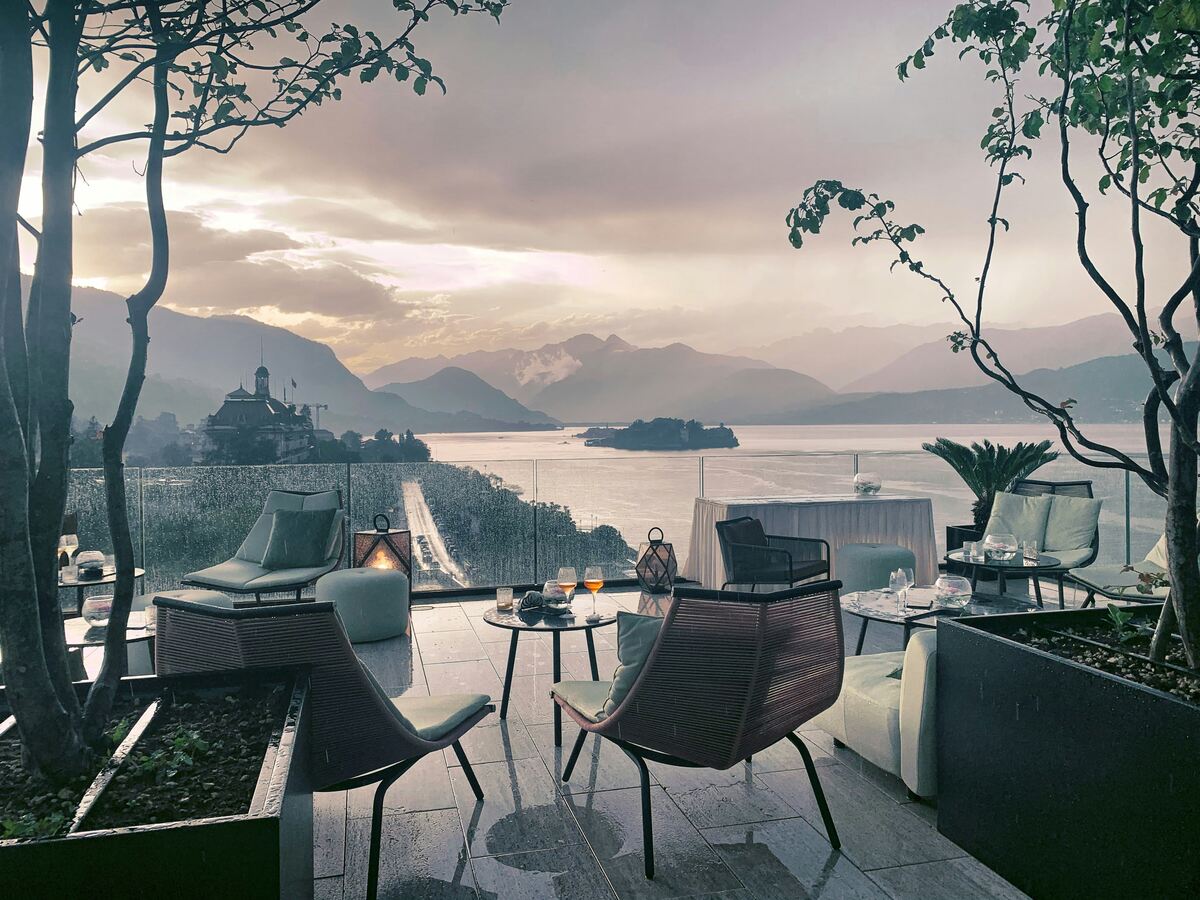
The luxury travel industry just validated something significant.
Last month, Virtuoso Travel surveyed over 2,400 travel advisors across 50+ countries. The findings reveal a fundamental shift: travellers are no longer satisfied with luxury for its own sake.
Instead, they're curating journeys that are meaningful, restorative, and deeply personal.
When Avoiding Crowds Becomes the New Luxury
The report's most striking finding?
"Avoiding over-touristed destinations" now ranks as the number one aspect of sustainable travel.
Not carbon footprints. Not eco-lodges. Simply experiencing places without crowds.
The numbers tell the story:
- 45% of advisors report clients adjusting plans due to climate change
- 76% say clients are choosing shoulder-season or off-peak travel
- 75% highlight preferences for destinations with moderate weather
We're seeing rising interest in Iceland's volcanic landscapes, Antarctica's ice fields, and Norway's fjords. But equally important: shoulder-season visits to Italy and France.
Bhutan exemplifies this with its high-value, low-volume approach. Daily fees limit visitors and preserve authenticity.
Timing intelligence matters as much as destination selection. Knowing when to visit transforms the entire experience.
The Paradox: Urgency to Go, Desire to Slow Down
Here's where it gets interesting.
FOMO gets people on the plane. But slow-mo defines what happens once they arrive.
Travellers feel genuine urgency about bucket-list destinations - Kenya's Great Migration, Antarctica, the Galápagos. Boomers and Gen X particularly feel this, spurred by environmental changes.
But once there, the pace shifts entirely.
River cruisers request longer port stays. Safari-goers choose smaller camps for unhurried wildlife watching. In South America, travellers linger to pair adventure with wine, food, and heritage.
"The rarer the location, the more travellers want to stretch out their stay and savour every moment."
This creates a critical planning insight: bucket-list destinations demand careful pacing from the design stage. You can't rush meaningful experiences.
All-Inclusive Isn't Basic Anymore
For the first time, the Luxe Report examined ultraluxe travel. 45% of advisors have seen increased requests, and what defines "ultraluxe" has fundamentally changed.
"All-inclusive" has been elevated to cover:
- Private transfers and Michelin-level dining
- Complete resort buyouts
- Chefs, wellness experts, and guides entirely at guests' disposal
Every detail is included not because it's convenient, but because it removes friction from the experience.
Privacy rounds out the top three ultraluxe experiences - hidden islands and remote retreats where exclusivity is built into the location itself.
True luxury is invisible. When every detail works perfectly, you don't notice the mechanism at all.
Translating Trends Into Your 2026 Journey
What does this mean practically?
Start with timing, not just destination. Shoulder seasons deliver both authenticity and comfort whilst solving the crowd problem.
Build in breathing room from the start. Slow travel requires proper pacing at the design stage.
Consider climate patterns seriously. 43% of travellers now purchase insurance specifically for climate-related disruptions.
Look beyond the obvious. The report highlights:
- Albania's Riviera over Croatia's crowded coast
- Montenegro's intimate Adriatic resorts instead of Amalfi
- Malta's Mediterranean charm as a less-touristed Italian alternative
These aren't budget substitutes. They're sophisticated choices delivering better experiences.
The Evolution, Not Revolution
These trends aren't revolutionary. They're evolutionary.
The industry is catching up to what thoughtful travellers have always known: the best journeys aren't about ticking boxes or chasing luxury labels. They're about intentional choices, proper timing, and experiences that resonate personally.
As the report makes clear, luxury travellers are willing to spend more but increasingly seek value. What delivers value isn't opulence for its own sake - it's the freedom to experience places authentically, the space to slow down, and confidence that every element has been thoughtfully curated.
As you consider 2026 travel plans, which of these trends resonates most?