
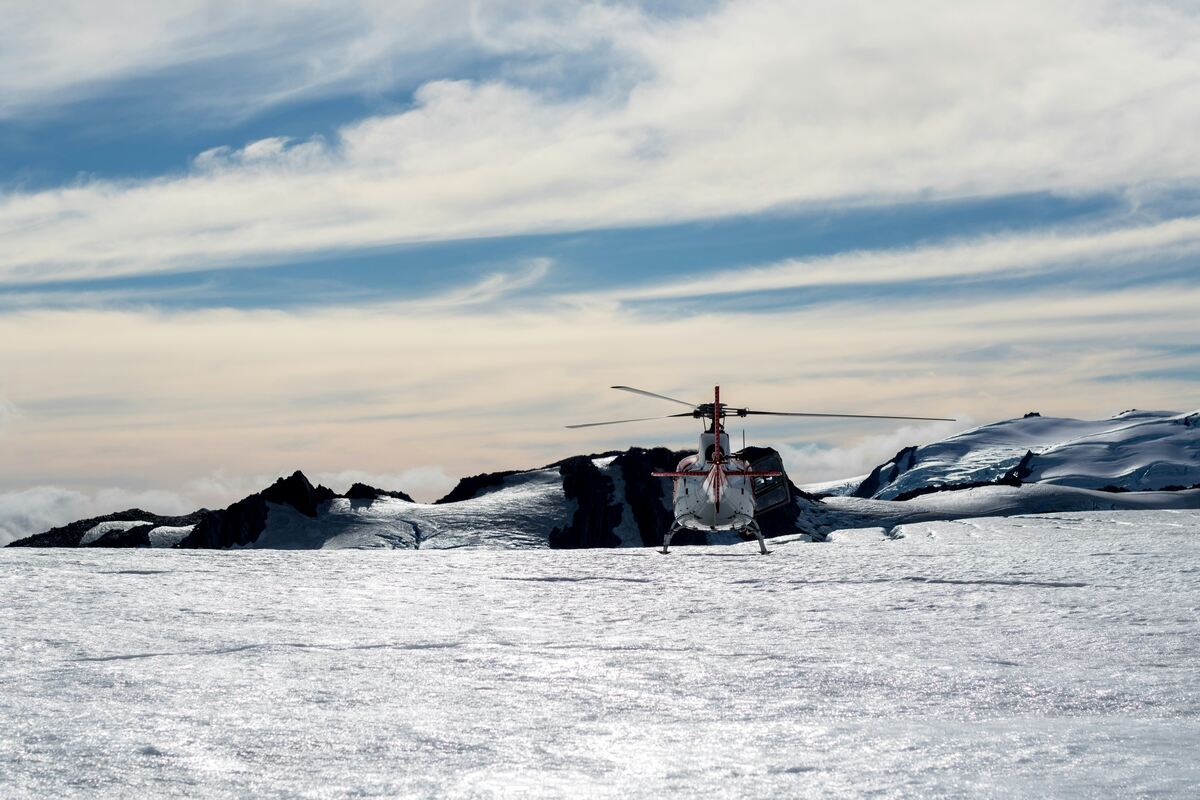
The best expedition slots for 2026 are being reserved right now.
Not because travellers are rushing. Not because of artificial scarcity. Because genuine logistical realities demand it.
If you've ever wondered why expedition travel requires such long lead times whilst a luxury beach holiday can be booked three months out, here's the reality behind the planning windows.
The Logistics Reality
Expeditions aren't hotels with interchangeable rooms. They're complex operations in remote environments with genuine constraints.
Permit systems exist for good reasons. The Galapagos limits daily visitors to preserve the ecosystem that people travel to see. Antarctica restricts landing numbers per site. Bhutan's visa quotas maintain cultural integrity whilst managing infrastructure impact.
These aren't bureaucratic obstacles. They're protection mechanisms for the very experiences travellers seek.
Small capacity is intentional, not incidental. Expedition vessels carry 100 passengers instead of 3,000 because that's what allows zodiac landings, expert naturalist attention, and minimal environmental impact. Remote lodges maintain 10-20 rooms because that's what their location and philosophy support.
Limited capacity isn't a constraint. It's the entire point.
Specialist guides are finite resources. The expedition leader who's spent 25 seasons in Antarctica can only lead one departure at a time. The cultural expert who truly understands Bhutanese Buddhism works with one group per month. Experience and expertise don't scale infinitely.
What Gets Booked First
Understanding booking timelines reveals what travellers prioritise.
Antarctic expeditions book 12-18 months ahead. The season runs November to March. The best vessels fill first. Specific departure dates matter because wildlife presence shifts week by week. If you want a December departure on a particular vessel, you're competing with others who understand the same timing windows.
Galapagos small vessels operate on tight quotas. Each boat receives specific landing permits for specific sites on specific days. The National Park manages visitor flow to protect wildlife. When a vessel's December allocation sells out, that capacity simply doesn't exist elsewhere.
Patagonia's specialist camps open seasonally. October through April in most cases. The exceptional guides book early. The best weather windows fill first. Remote locations mean logistics cannot flex the way urban hotels can.
Bhutan processes visa applications through licensed operators. Cultural tours during festival seasons require advance coordination. The country intentionally limits daily tourist numbers through its high-value, low-volume approach.
These aren't artificial deadlines. They're operational realities of complex journeys in challenging environments.
The Early Planning Paradox
Here's what seems counterintuitive: booking 12 months ahead actually creates more flexibility, not less.
When you secure permits and capacity early, you've solved the constraints. What remains is the creative part - the actual journey design, the pacing, the spontaneity within structure.
Compare two scenarios:
Scenario A: You wait until six months out. Antarctic vessels are mostly full. You take whatever cabin remains on whatever departure has space. Your dates are now fixed by availability, not preference.
Scenario B: You plan 15 months ahead. You choose your preferred vessel, departure date, and cabin category. You've locked in the constraints that cannot flex. Now you can build flexibility everywhere else - pre and post expedition plans, optional extensions, activities on the ground.
Strategic early planning solves the rigid elements so the rest can remain fluid.
This is the difference between planning early and over-planning. You're not scheduling every hour. You're securing the elements that require securing, leaving space for discovery within that structure.
Practical Implications for 2026
If you're considering expedition travel in 2026, here's what matters now.
Start with permits and capacity. These are the constraints that don't flex. Secure them first.
Antarctica, Galapagos, Bhutan: Plan 12-18 months ahead for optimal choice. Shorter timelines work but limit options significantly.
Patagonia, Arctic regions, specialist lodges: 9-12 months provides good selection. Six months means accepting what's available rather than choosing what you want.
Build flexibility intentionally. Book the elements that require early commitment. Leave room for spontaneity in everything else.
Consider specialist operators. Expedition travel rewards working with those who understand the operational realities and can navigate them effectively.
Planning Is Happening Now
2026 expedition planning isn't a future consideration. It's a current activity.
The question isn't whether to plan ahead. It's whether you're planning strategically enough to secure what you actually want rather than accepting what remains available.
The best experiences in challenging environments don't happen by accident. They happen through understanding logistics, respecting capacity limits, and planning far enough ahead that the journey can unfold with the spontaneity that makes expedition travel compelling.
Early planning creates possibility. Last-minute booking creates limitation.
Which would you prefer?